Capacity Building in Microfinance Products Development Concludes Successfully in Afghanistan
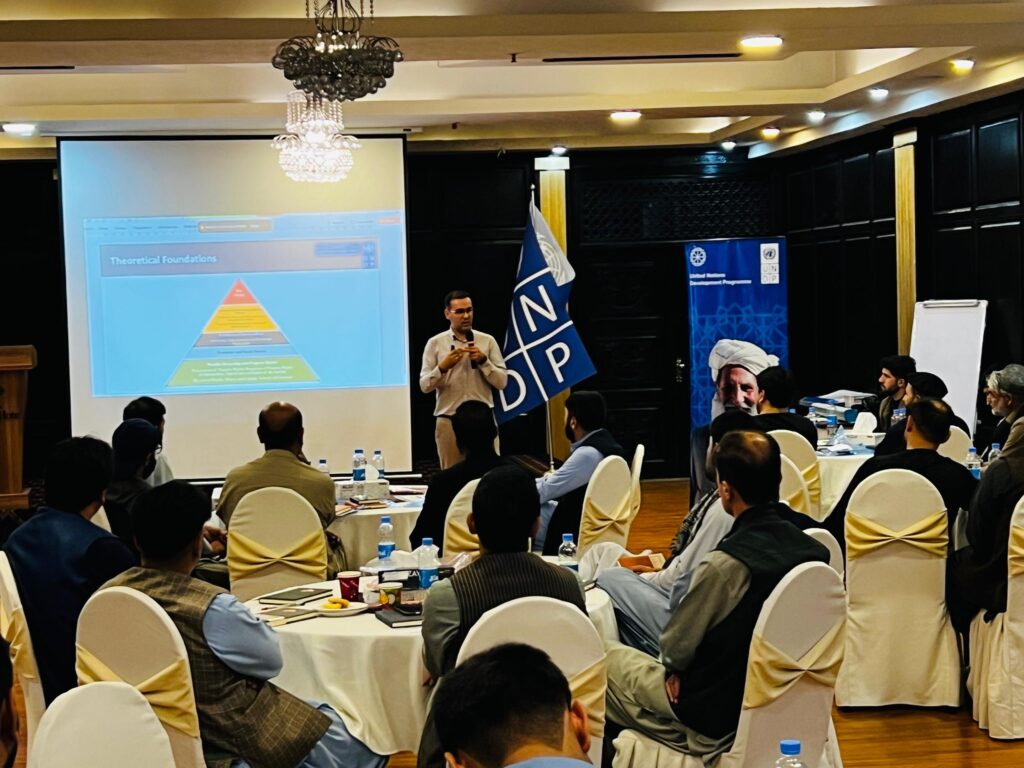
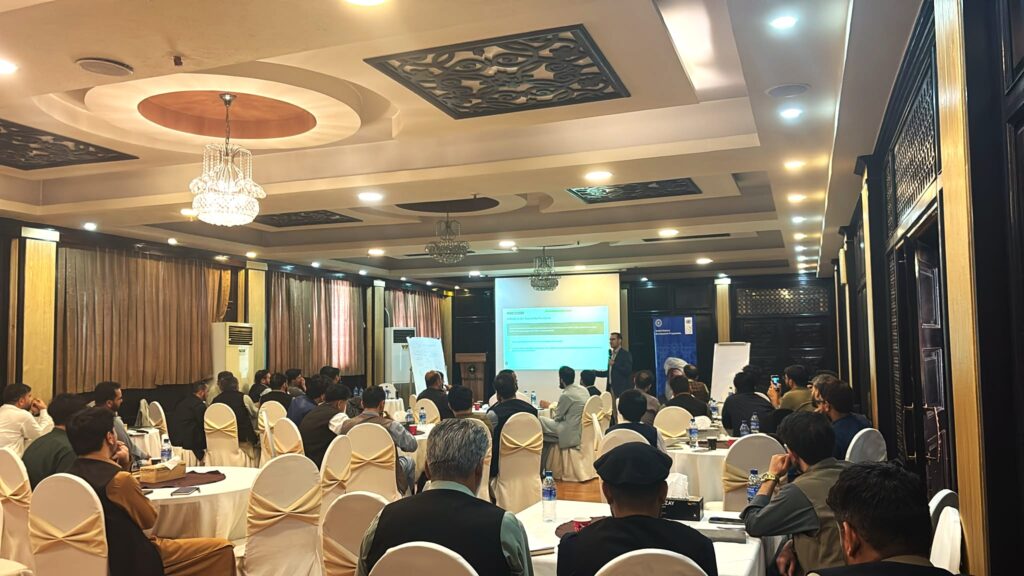
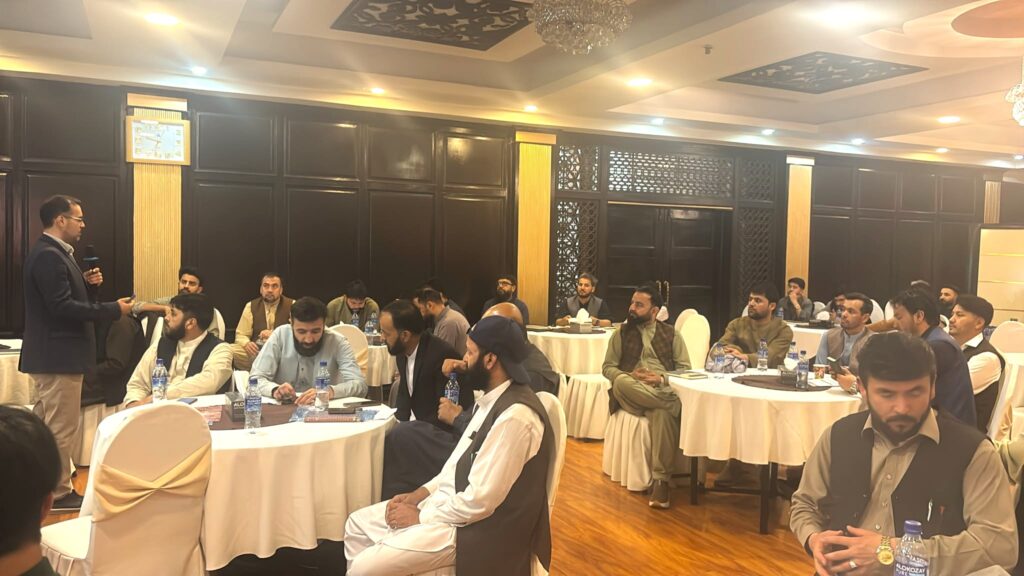
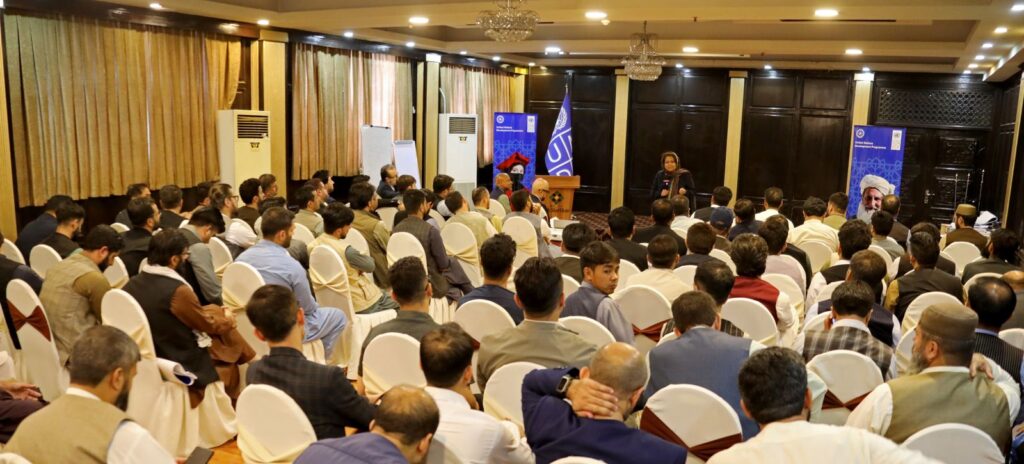
28 July 2026 – Sixty-six banking and microfinance professionals from across Afghanistan have successfully completed a five-day capacity-building programme on Islamic microfinance product development, strengthening their ability to design, implement, and manage Shariah-compliant financial products that can support financial inclusion and economic growth in the country.
The programme was conducted from 19 to 23 July 2026 through the collaboration of the UNDP Afghanistan Country Office, the UNDP Istanbul International Center for Private Sector in Development (ICPSD), and the Global Islamic Finance and Impact Investing Platform (GIFIIP), a joint global initiative of the United Nations Development Programme (UNDP) and the Islamic Development Bank (IsDB).
A total of 66 participants successfully completed the programme and became eligible to receive certificates, including 54 participants who attended in person and 12 female participants who joined online.
As Afghanistan continues efforts to strengthen its financial sector and expand access to inclusive financial services, building institutional capacity in Islamic finance remains a key priority. Islamic microfinance offers Shariah-compliant financing solutions that can help meet the needs of individuals, entrepreneurs, and small businesses seeking financial services aligned with Islamic principles. Strengthening the expertise of financial practitioners is therefore essential to broadening access to finance and supporting sustainable economic opportunities across communities.
Designed for banking and microfinance practitioners, the programme provided participants with practical insights into Islamic finance principles, contractual structures, operational processes, documentation requirements, product development methodologies, and risk management considerations relevant to Islamic microfinance operations.
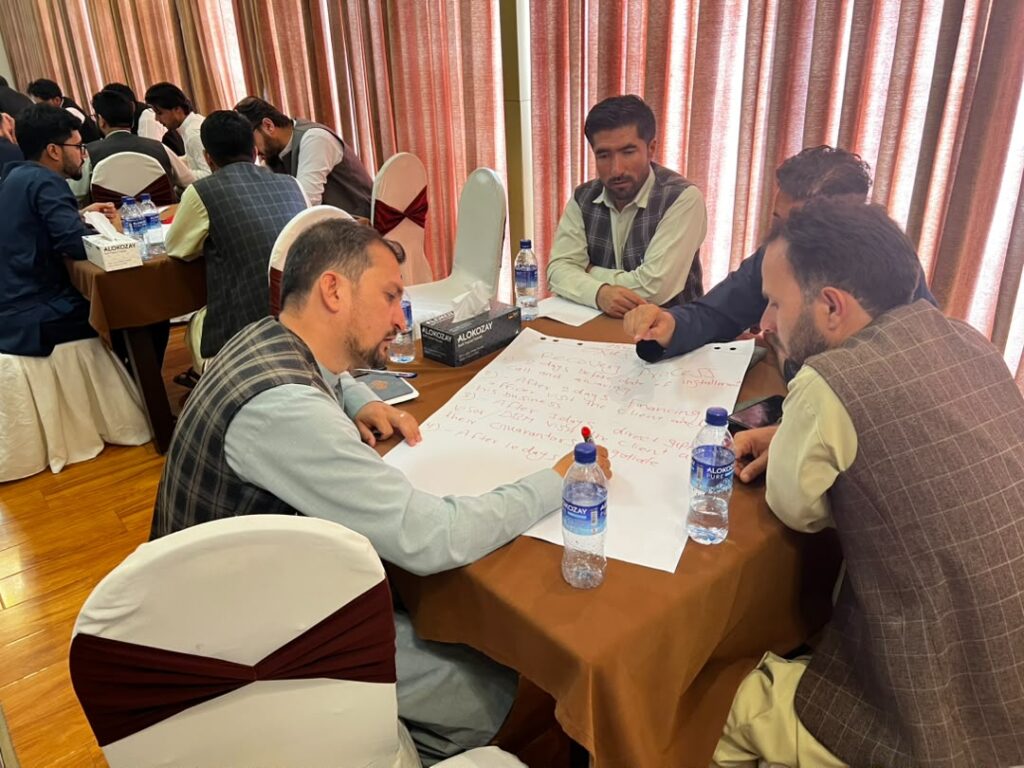
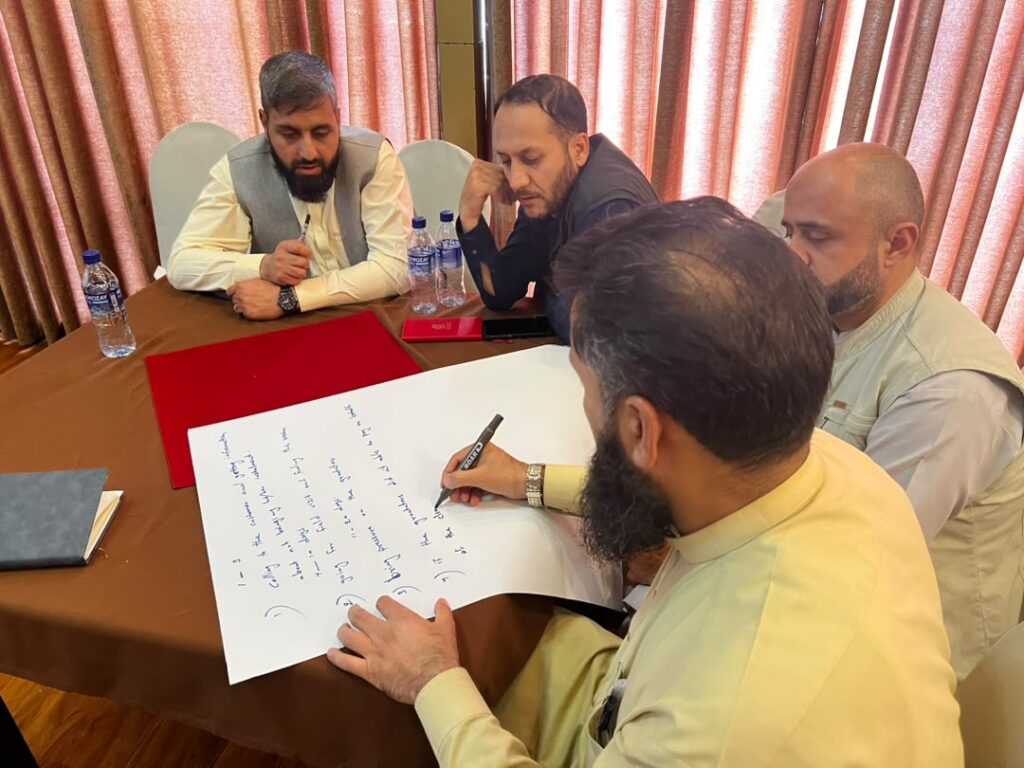
Through technical presentations, interactive discussions, peer learning, and case-based exercises, participants explored a range of Islamic financial products, including Murabaha, Musharaka, Mudaraba, Ijara, Qard al-Hasan, Wakalah, and Investment Wakalah. The sessions focused on both the theoretical foundations and practical application of these products, enabling participants to better understand how they can be adapted to serve diverse client needs while maintaining compliance with Shariah principles.
A key feature of the programme was its emphasis on practical implementation. Participants examined product design considerations, operational workflows, documentation requirements, governance mechanisms, and risk mitigation approaches that support the effective delivery of Islamic microfinance services.
The programme concluded with a comprehensive end-to-end case study that enabled participants to apply their learning in a realistic setting. Working through practical scenarios, participants assessed client needs, selected appropriate financing products, designed operational workflows, prepared documentation, and evaluated risk management measures. Participants also took part in post-training assessments and feedback sessions aimed at measuring learning outcomes and identifying future capacity-building needs.
The initiative contributed to strengthening the technical capabilities of banking and microfinance practitioners, equipping them with practical tools and knowledge to develop and implement Shariah-compliant financial products that can expand financial inclusion, support entrepreneurship, and contribute to economic development across Afghanistan.
“Financial institutions have a critical role to play in supporting Afghanistan’s economic recovery and development through expanded access to finance, entrepreneurship promotion, and job creation,” said Dr. Doel Mukerjee, Deputy Resident Representative of UNDP Afghanistan. “Building the capacity of professionals in the banking and microfinance sectors is essential to ensuring that communities and businesses have access to high-quality Shariah-compliant financial services that respond to their needs and aspirations.”
Dr. Mukerjee further emphasized the importance of partnerships in strengthening Afghanistan’s financial ecosystem and advancing inclusive development.
“UNDP highly values its partnerships with the private sector, financial institutions, and development stakeholders. Together, we can strengthen financial inclusion, encourage private sector development, and create sustainable economic opportunities that benefit communities across Afghanistan,” she added.
“Developing effective Islamic microfinance products requires both technical expertise and a strong understanding of client needs,” said Dr.
Muniruddeen Lallmahomood, UNDP ICPSD Islamic Finance Portfolio Lead. “Through this programme, we are helping financial professionals translate Islamic finance principles into practical and accessible financial solutions that can contribute to stronger and more inclusive financial systems.”
Participants also underscored the practical value of the training and its relevance to their professional responsibilities.
The successful completion of the programme marks an important step toward advancing Islamic finance and expanding inclusive financial services in Afghanistan. By strengthening the capacity of financial institutions and practitioners, the initiative contributes to broader efforts to build a resilient, inclusive, and sustainable financial sector capable of supporting long-term economic development.
About UNDP
The United Nations Development Programme (UNDP) is the United Nations’ lead development agency, working in more than 170 countries and territories to help eradicate poverty, reduce inequalities, and build resilient nations. In Afghanistan, UNDP supports inclusive economic development, livelihoods, financial inclusion, climate resilience, and community-based recovery efforts to improve the lives of people across the country. The UNDP Istanbul International Center for Private Sector in Development (ICPSD) serves as UNDP’s global policy center on private sector engagement for sustainable development. The Center develops and disseminates knowledge, builds partnerships, and supports innovative approaches that leverage private-sector contributions to achieve the SDGs.
About GIFIIP
The Global Islamic Finance and Impact Investing Platform (GIFIIP) is a joint initiative of the United Nations Development Programme (UNDP) and the Islamic Development Bank (IsDB) that promotes the use of Islamic finance and impact investing solutions to advance sustainable development, financial inclusion, and the achievement of the Sustainable Development Goals (SDGs).